IoT Solutions
We design and build connected products end to end: the device and its firmware, the link to the cloud, the platform that stores the data, and the app people actually use.
An IoT product is four products stacked on top of each other. There is hardware, firmware, a backend and an app, and a fault in any one of them looks to the customer like "it stopped working". Splitting those layers across vendors is the most common reason the projects we are asked to rescue went wrong. Nobody owned the join between the device and the cloud.
We keep all four layers with one team. The engineer who writes the ESP32 firmware sits next to the one building the React Native app, so when a garage door reports "open" two seconds late, they find out why together instead of raising tickets at each other.
What we build
Smart home and building systems
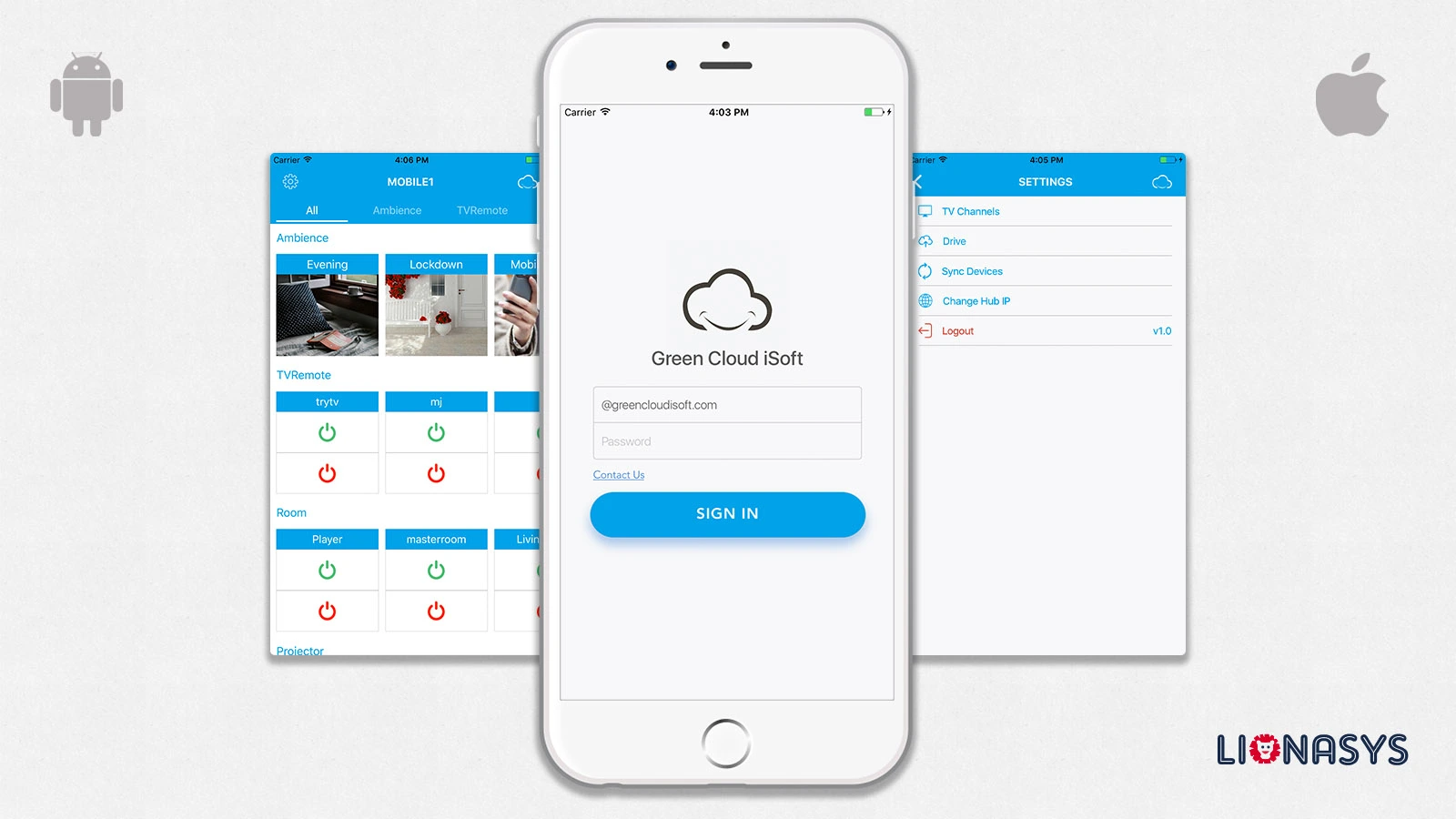
Lighting, climate, access and energy control across mixed device brands. Our home automation platform joins Zigbee devices through Home Assistant and Node-RED, with one interface on iOS, Android and the web.
Connected devices
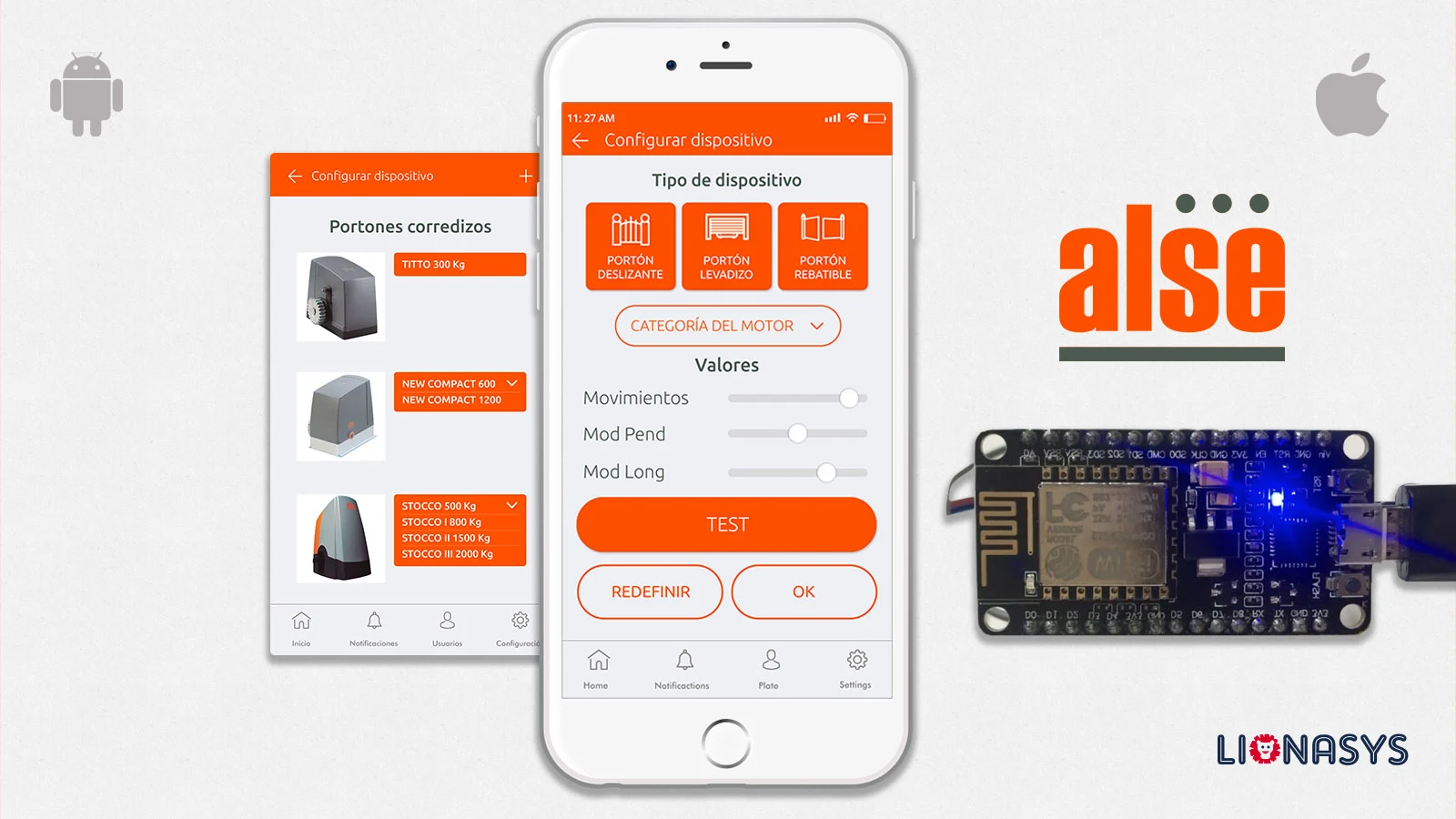
Custom hardware around ESP32-class microcontrollers, with sensors, MQTT messaging and over-the-air firmware updates. The smart garage door controller in our portfolio is a typical example.
Industrial monitoring
Reading data from existing machines, often through a gateway added beside the PLC, to track uptime, energy use and early signs of failure without replacing equipment that still works.
Cloud platforms and dashboards
Device registry, provisioning, telemetry storage, alerting and role-based dashboards, usually on AWS IoT.
How a project runs
- 1
Discovery
What needs measuring or controlling, how often, over what network, and what happens when that network drops. Power and connectivity constraints get settled here because they limit every later choice.
- 2
Bench prototype
Development boards and off-the-shelf sensors on a desk, talking to a real backend. Cheap to change, and it proves the data is worth collecting.
- 3
Field pilot
A small number of units in the real environment. This is where you learn about Wi-Fi dead spots, condensation and users who unplug things.
- 4
Production
Provisioning at scale, signed firmware updates, monitoring and the support tooling your team will need.
- 5
Handover
Schematics, firmware source, cloud infrastructure definitions and documentation. You own all of it.
The people you meet at the start are the people who build and hand over the project. That is the first of our six written guarantees.
Technologies we use
- ESP32
- MQTT
- Zigbee
- AWS IoT
- Node-RED
- Home Assistant
- Python
- React Native
Related case studies
Questions we get asked
Do you design the hardware or only the software?
Both. For most projects we build on proven modules such as the ESP32 and add the sensors, power and enclosure design around them. If you already have hardware, we write firmware and software for it.
Which connectivity should we use?
It depends on range, power and data volume. Wi-Fi suits mains-powered devices indoors. Zigbee suits many small battery devices in one building. Cellular or LoRaWAN suits equipment spread over a wide area. We settle this during discovery because it is expensive to change afterwards.
How do you secure IoT devices?
Each device gets its own credentials at provisioning, traffic is encrypted with TLS, firmware updates are signed, and nothing ships with a default password. On industrial sites the IoT network is kept separate from the control network.
Can you take over an IoT project another vendor started?
Yes. We begin with an audit of the firmware, backend and hardware design, then tell you plainly what can be kept. See our Project Rescue service for how that works.
Talk it through with an engineer
Thirty minutes, free, with someone who builds these systems. Bring the idea, the half-finished project or the vendor quote you are unsure about.