2D and 3D Game Development
We take games from a one-page concept to a store listing: design, art, programming, multiplayer, testing and the updates that follow launch.
Games fail for different reasons than business software does. The code can be fine and the game still is not fun, or it is fun and runs at 20 frames a second on the phones your audience owns. We plan around both risks. A playable prototype comes early, before much art exists, so the core loop can be judged on its own. Performance targets are set per device tier at the start rather than discovered at the end.
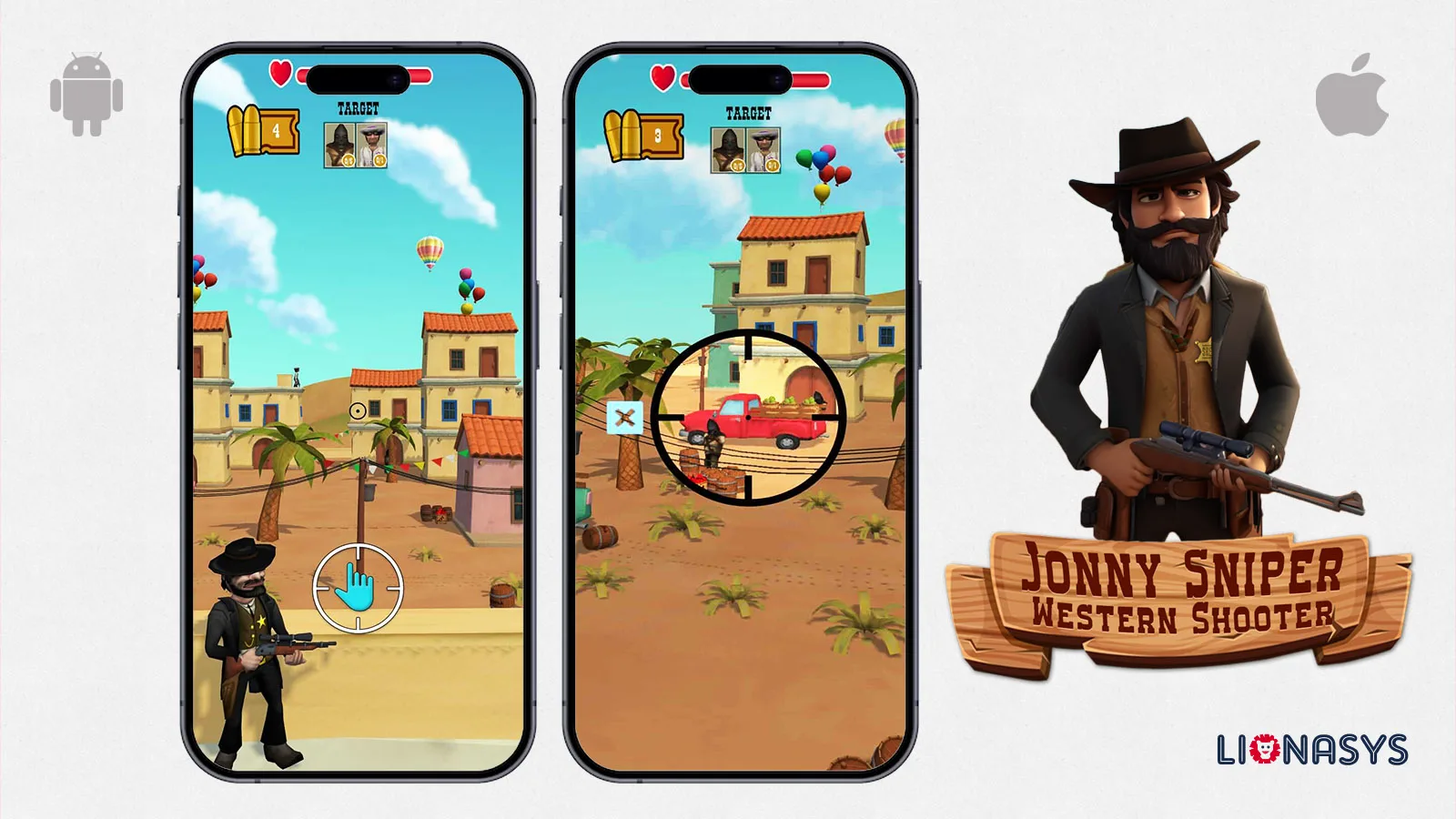
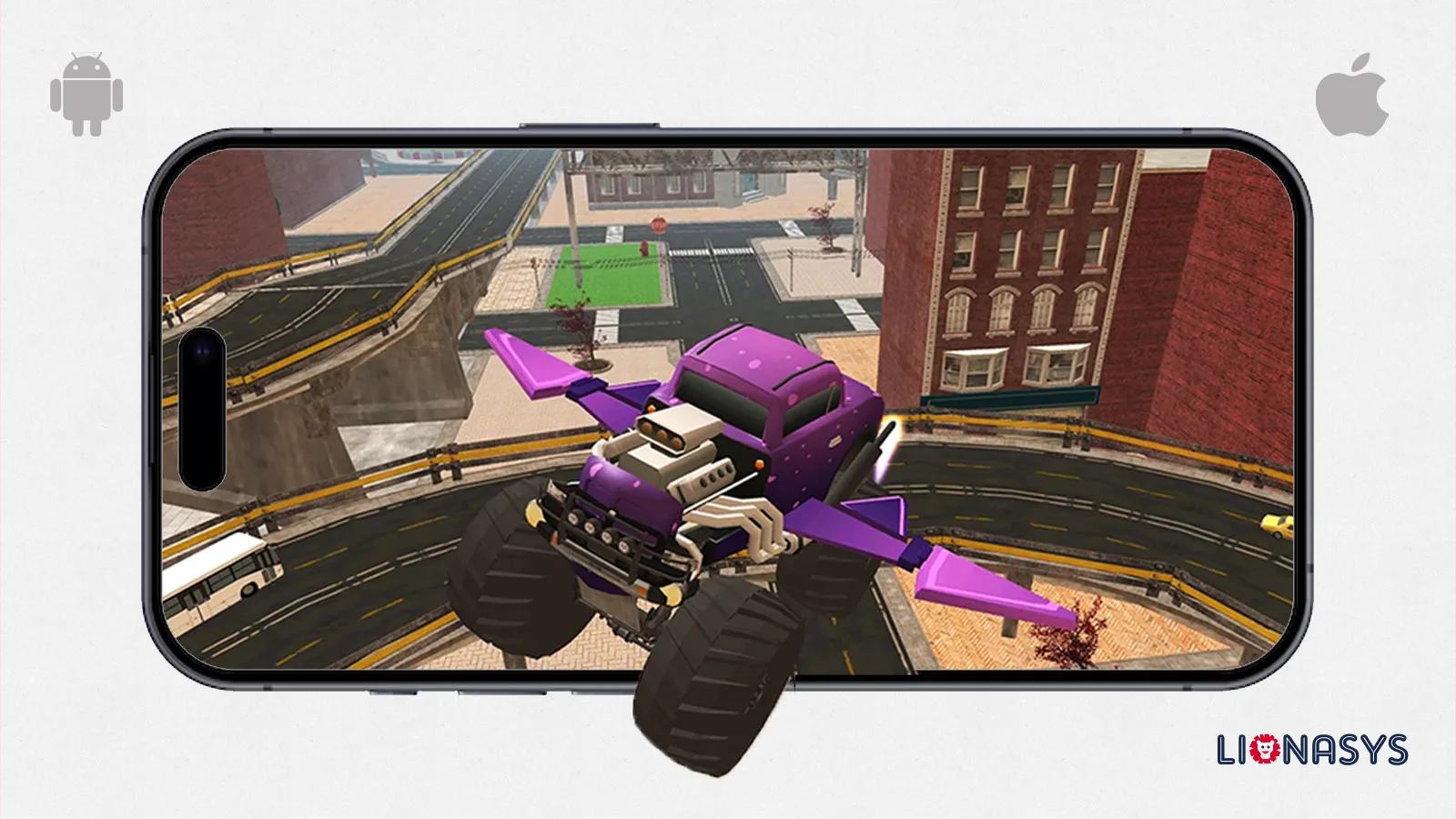
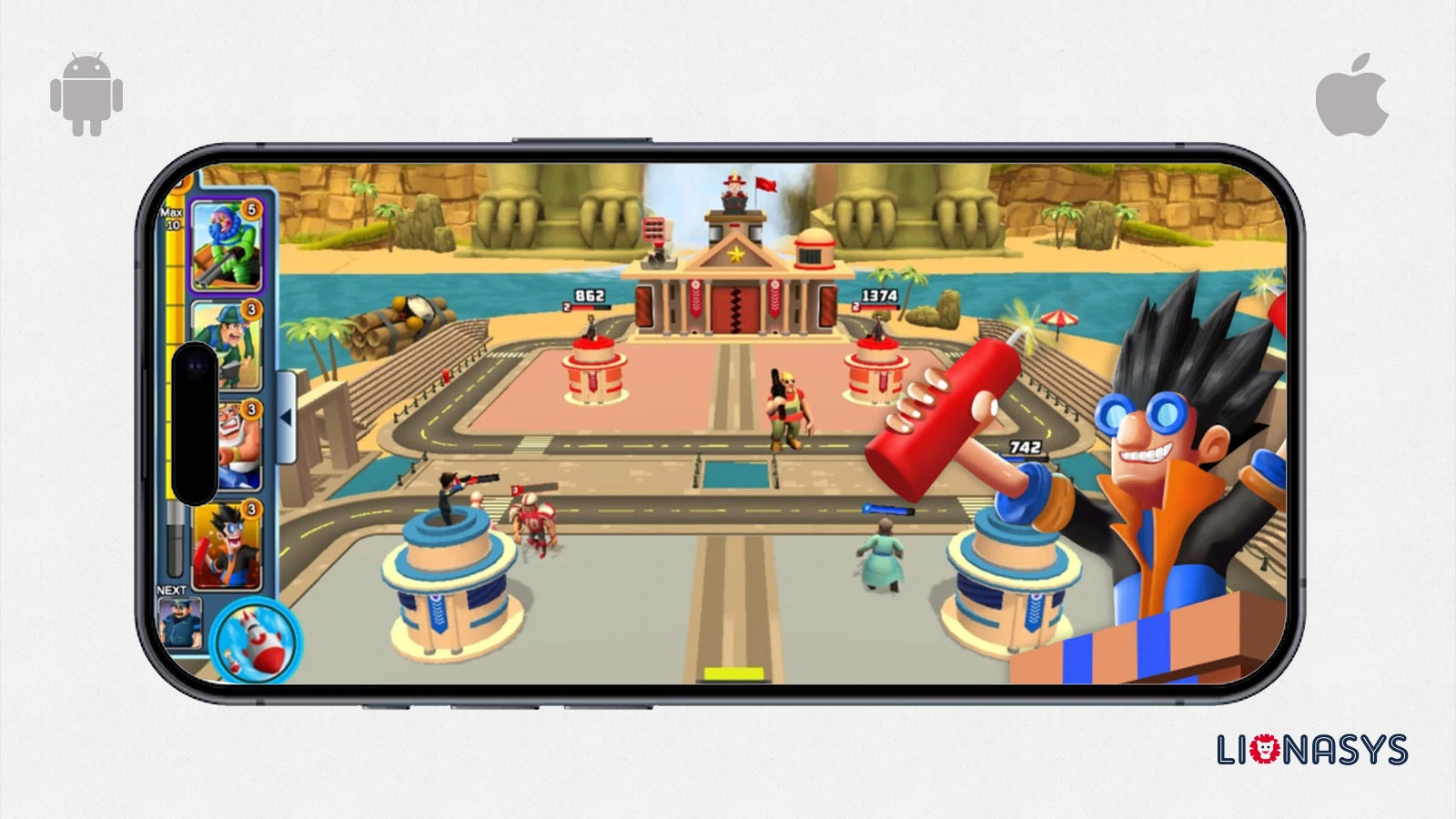
Our shipped work covers a first-person shooter with online multiplayer, an open-world flying and driving game, and a city strategy game with a persistent server. They needed quite different engines and architectures, which is the point: the design should pick the technology.
What we build
Mobile games
iOS and Android titles in Unity with C#, tuned for mid-range phones, with in-app purchases, ads and analytics wired in from the first playable build.
PC and high-fidelity 3D
Unreal Engine and C++ where visuals carry the experience. Assets are modeled in Blender or 3ds Max, textured in Substance Painter, with audio through FMOD.
Multiplayer and live games
Real-time matches over Photon, or custom servers with Socket.io and MongoDB when the game world has to persist between sessions, as in our strategy title.
Art and animation
Concept art, 3D modelling, rigging, animation and interface design, produced in-house so the art and the code stay in step.
How a project runs
- 1
Concept and game design document
Core loop, progression, monetization and target devices written down and agreed.
- 2
Prototype
Gray boxes, placeholder art, real mechanics. If it is not fun here, more art will not fix it.
- 3
Vertical slice
One level or mode finished to release quality. This sets the bar, and the true cost, for everything else.
- 4
Production
Content, systems and backend built in milestones you can play at the end of each sprint.
- 5
Testing and launch
Device testing, performance passes, store submission, then a soft launch in a small market before going wide.
- 6
Live operations
Events, balance changes and new content driven by what the analytics show.
The people you meet at the start are the people who build and hand over the project. That is the first of our six written guarantees.
Technologies we use
- Unity3D
- C#
- Unreal Engine
- C++
- Photon Engine
- Blender
- 3ds Max
- Substance Painter
- FMOD
- Socket.io
- MongoDB
Related case studies
Questions we get asked
Unity or Unreal: which should we use?
Unity for most mobile and 2D games, because builds are smaller, it runs well on modest phones and there are more developers who know it. Unreal when visual fidelity on PC or console is the selling point. We have shipped with both and will recommend one after reading your design.
How long does it take to build a game?
A casual mobile game takes a few months. A multiplayer 3D title takes most of a year or more. The prototype stage narrows the estimate quickly, which is one reason we do it first.
Who owns the code and the art?
You do. Source code, project files and original art files are handed over, and that is written into the contract.
Do you handle publishing?
We prepare the store listings and builds and get them through Apple and Google review. Marketing and user acquisition stay with you or your publisher, though we set up the analytics events they will ask for.
Talk it through with an engineer
Thirty minutes, free, with someone who builds these systems. Bring the idea, the half-finished project or the vendor quote you are unsure about.